🚌 For students from 2024/2026 intake
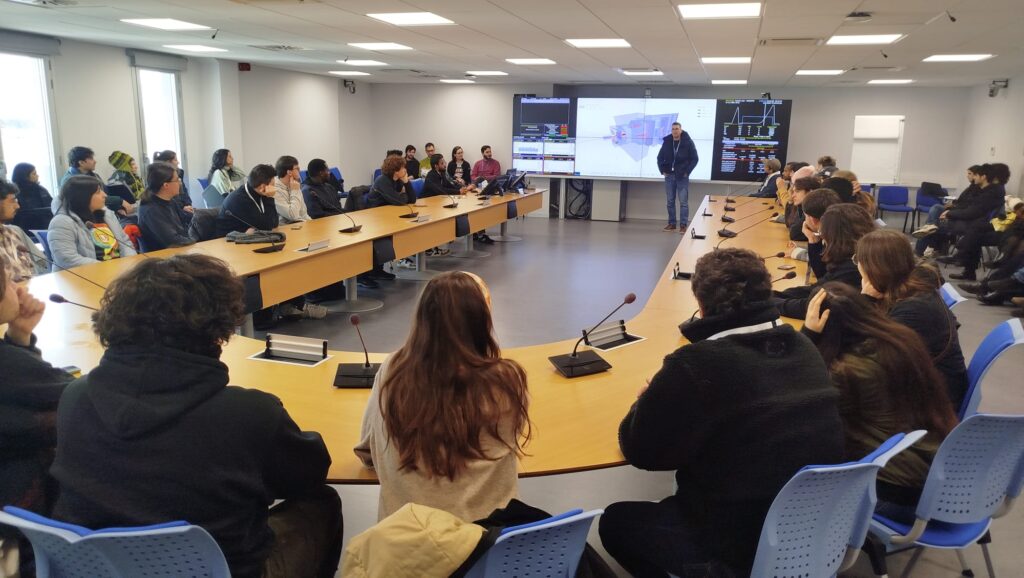
Following last year’s visit, IMAPP returned to CERN for a three-day visit together with a delegation of students and professors of the master’s degree in Physics from the Department of Physics and Astronomy “Augusto Righi” of Bologna. Students from 2024/2026 intake visited the most important experiments plus some new places not previously visited by their colleagues in 2025, guided each time by Phd students and researchers currently at CERN for their academic journey.
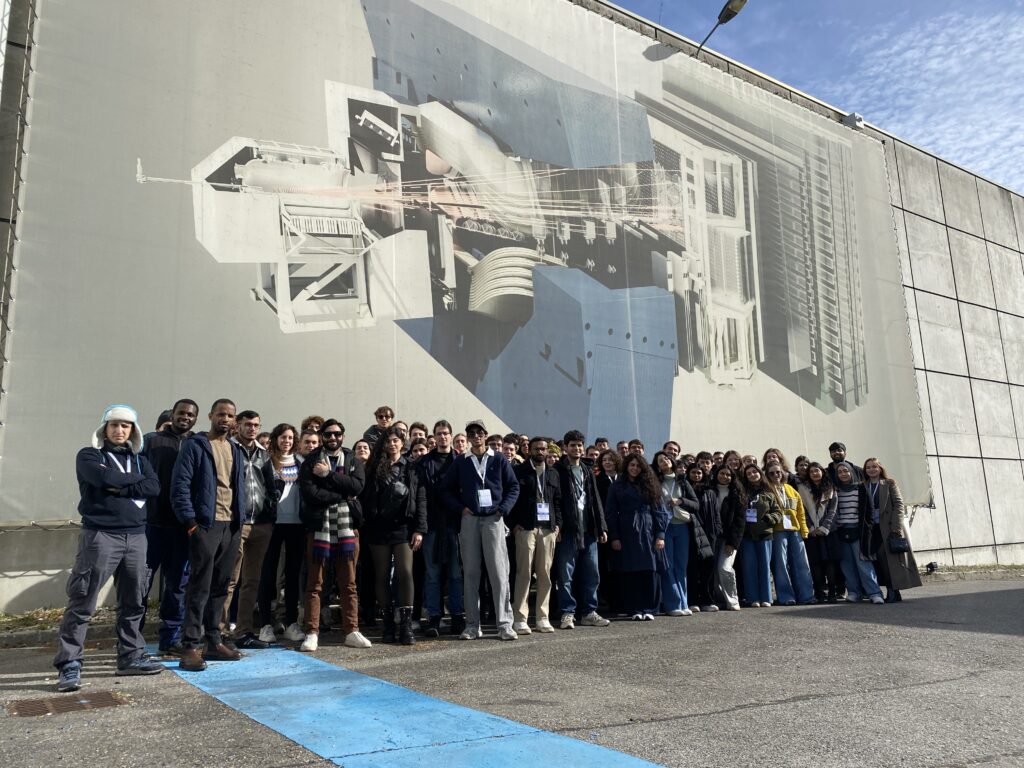
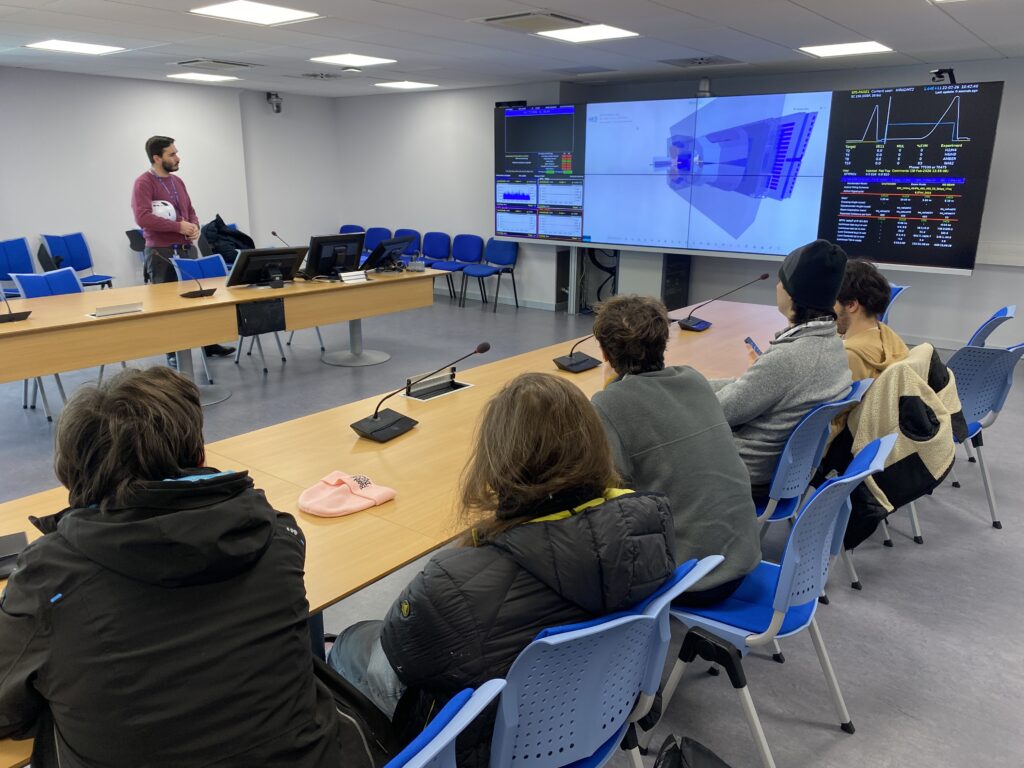
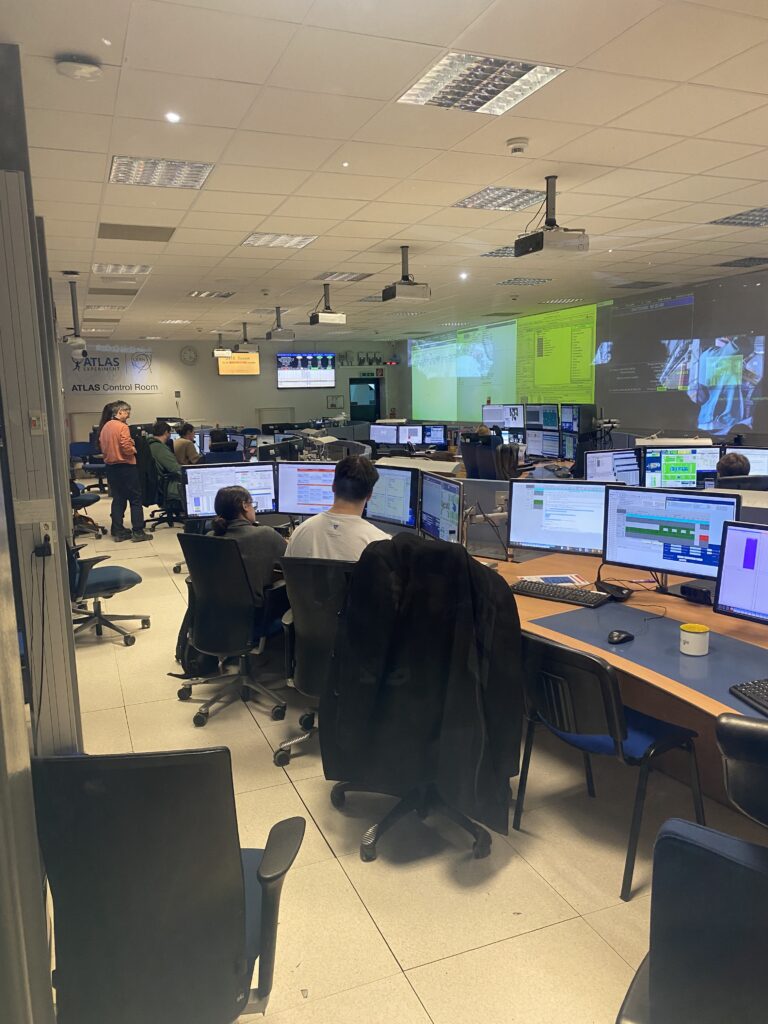
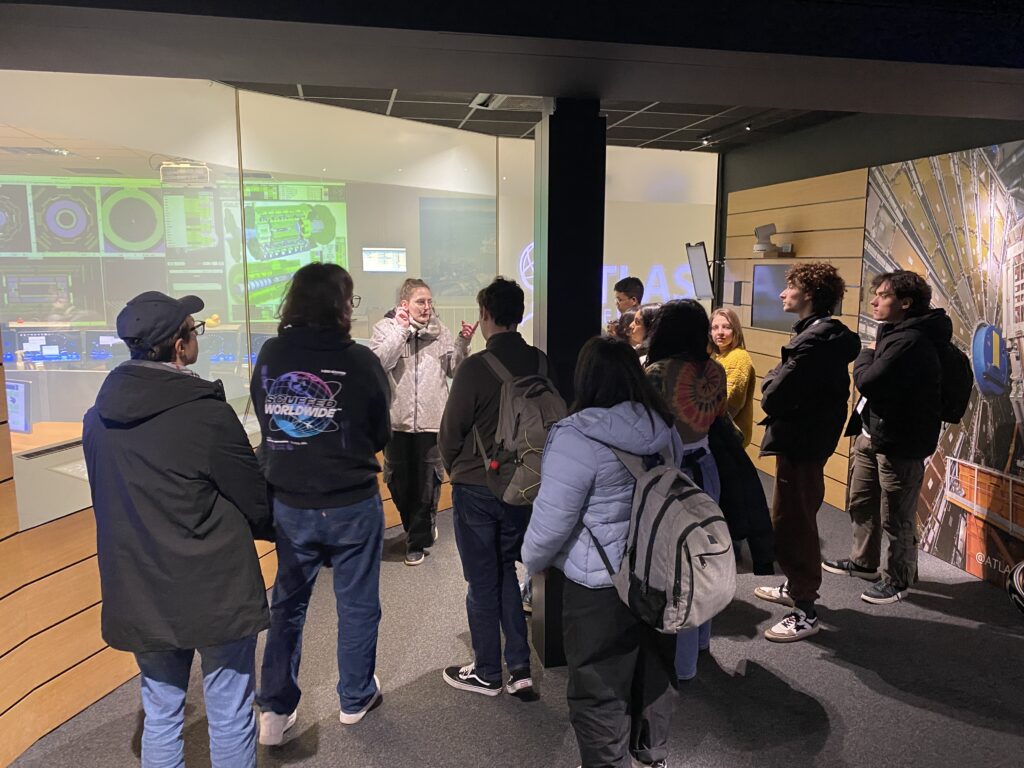
Arrived from Bologna to Geneva in the early afternoon, first step was the ATLAS Experiment with its Visitor Centre: Elisa Sanzani – PhD student at the University of Bologna – and Davide Cremonini – from INFN Bologna – guided the students in an interactive exhibition that showed the history and work of the detector, with a view of the control room.
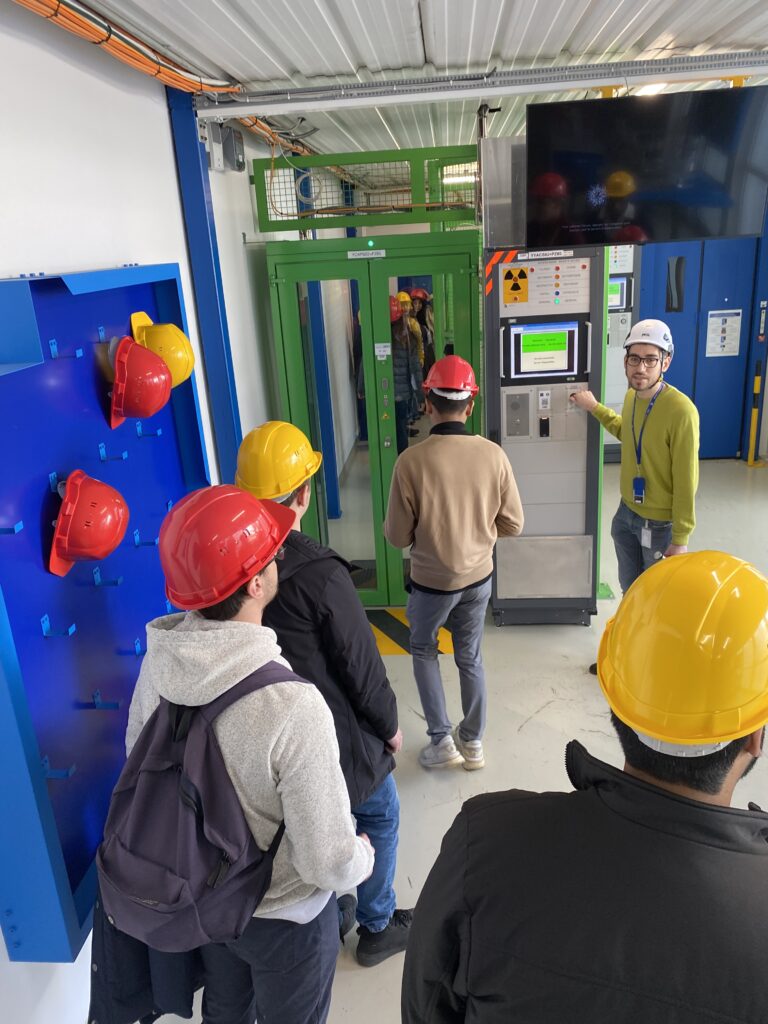
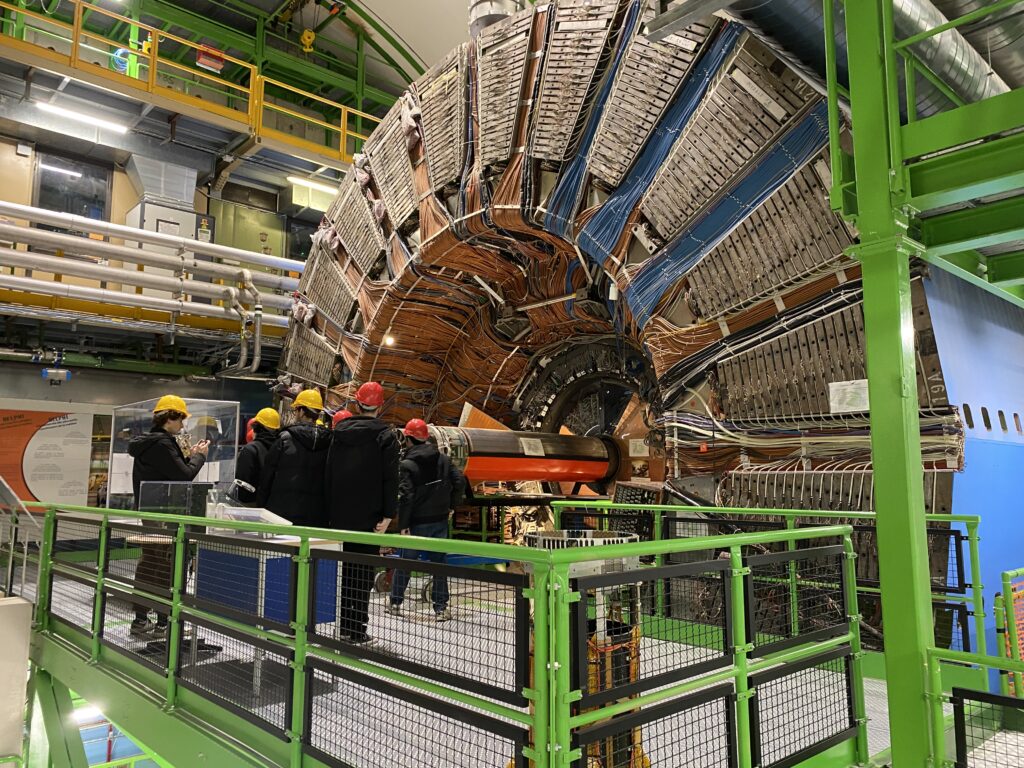
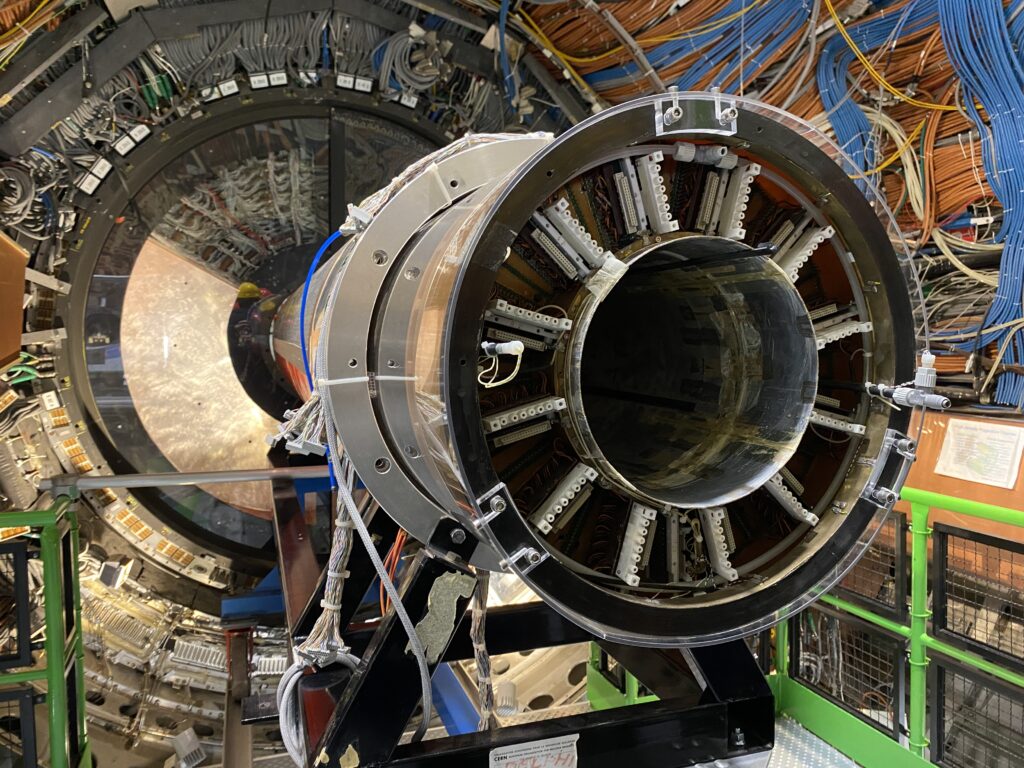
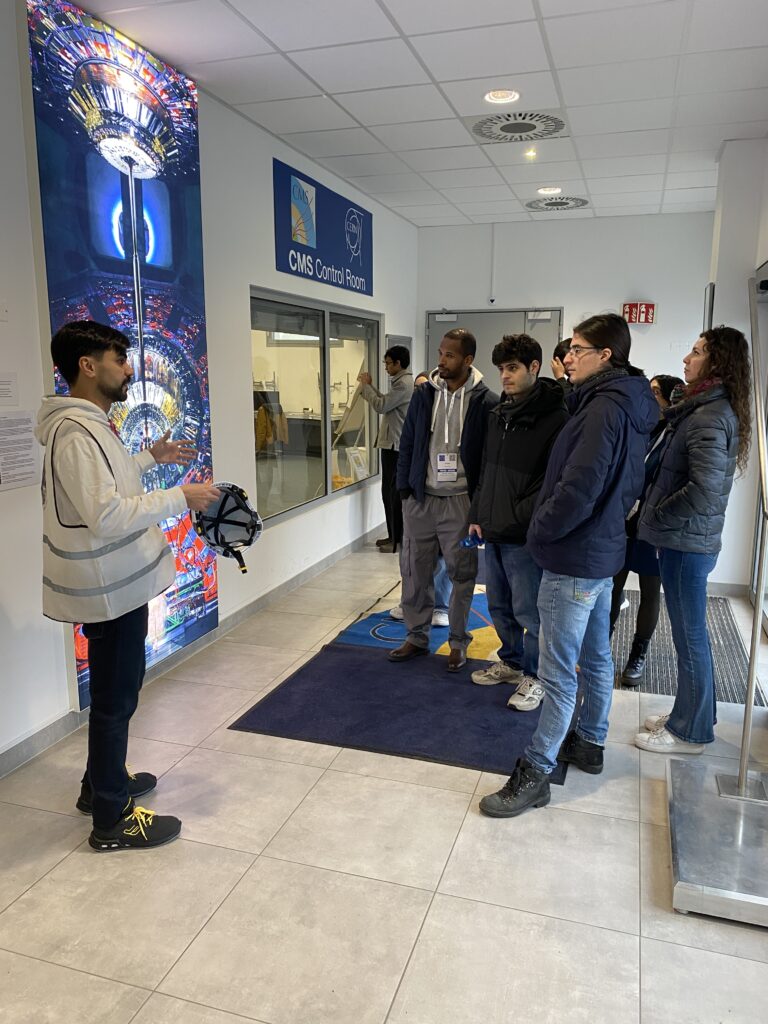
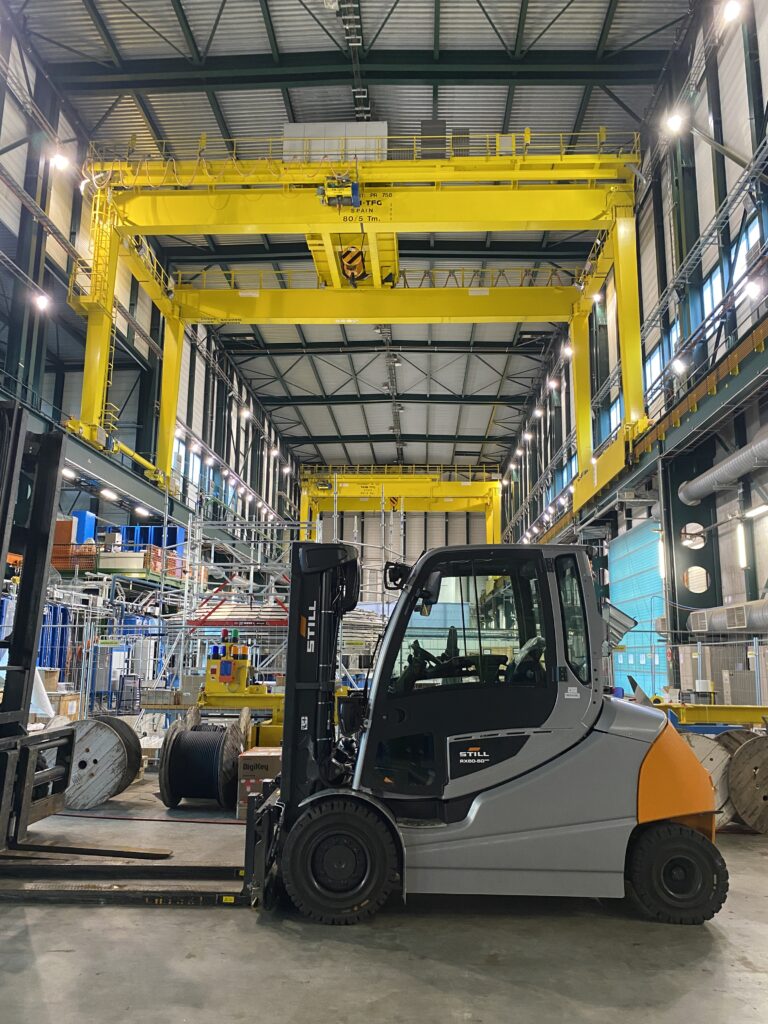
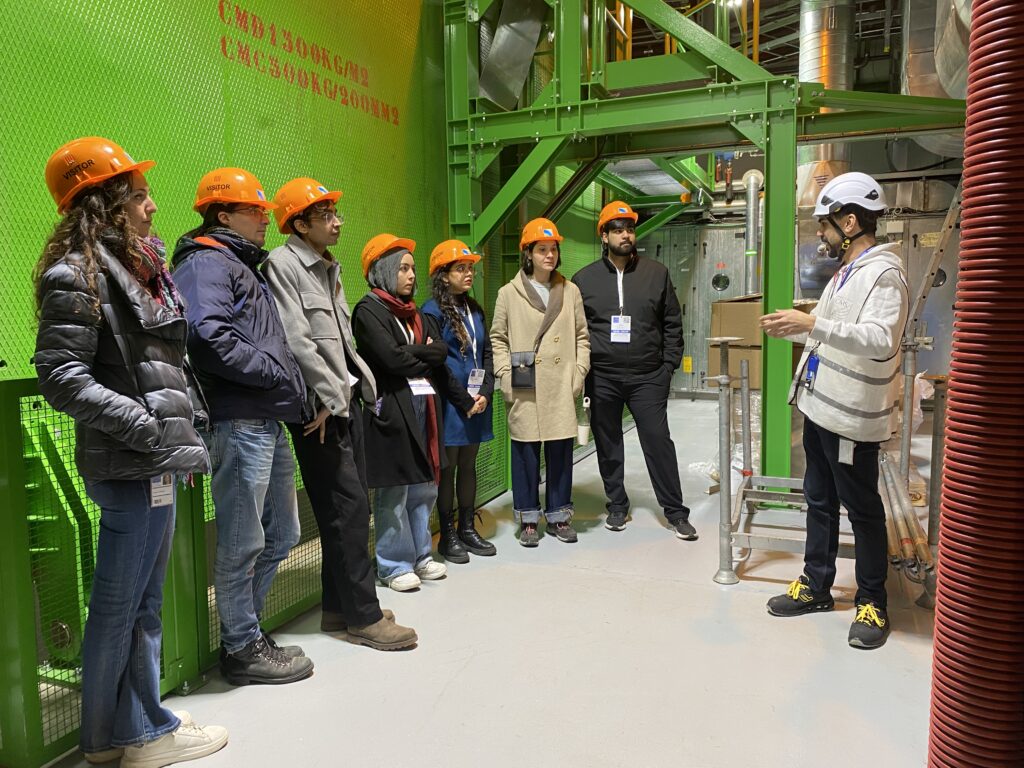
The next day, accompanied by Licia Mozzina, Lisa Borgonovi , Luca Ferragina, Simone Rossi Tisbeni – PhD students at the University of Bologna – and Mauro Perga – construction engineer and construction economist – the students visited the CMS Experiment, through the construction hall where the 15 sections of the detector were lowered, an exhibition with some of the components, corridors and the control room.
Daniele Massaro – PhD student at the University of Bologna and Université Catholique de Louvain – welcomed them to the CERN Data Center Visit point, to explain how the heart of CERN’s entire scientific, administrative, and computing infrastructure works.
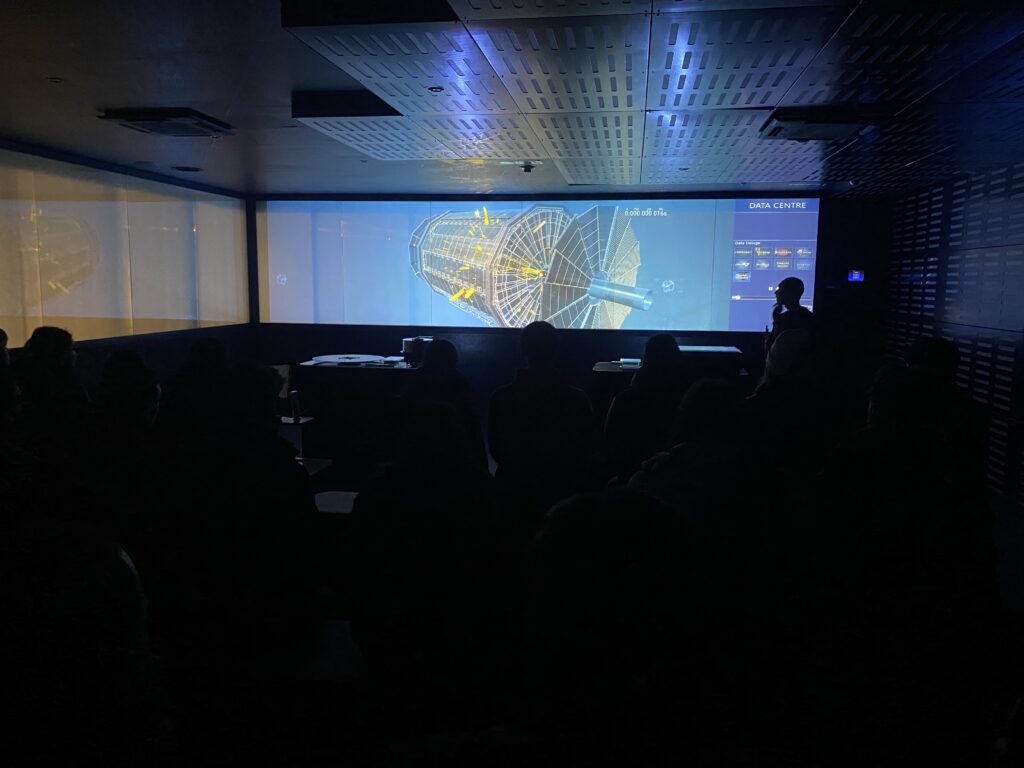
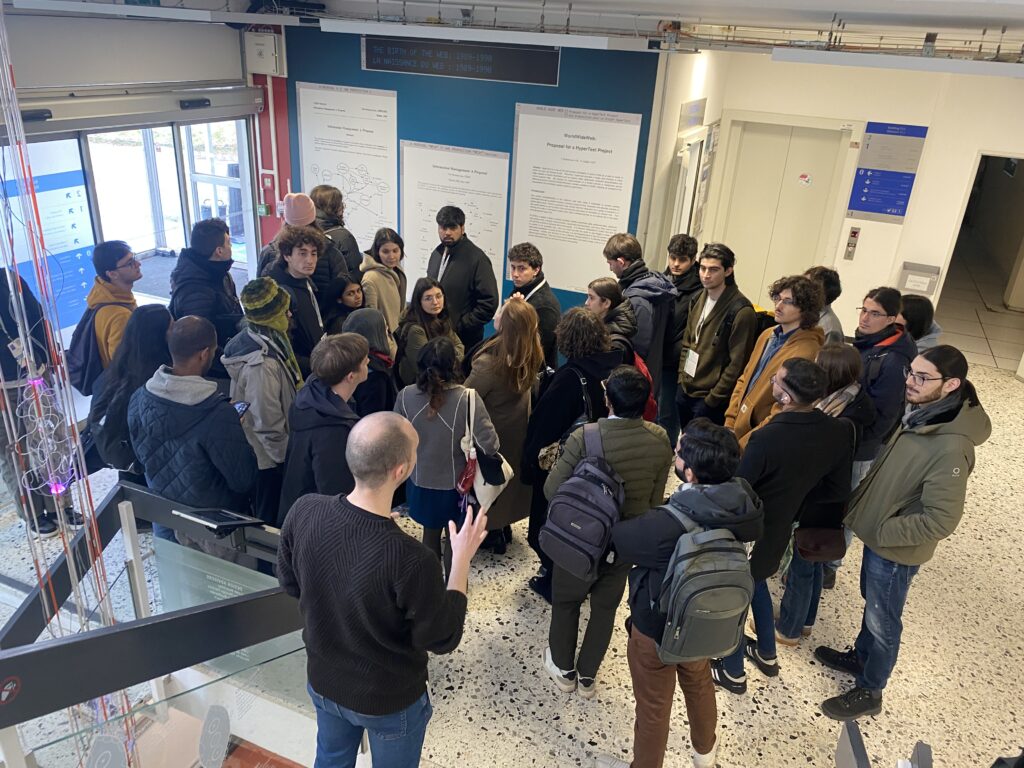
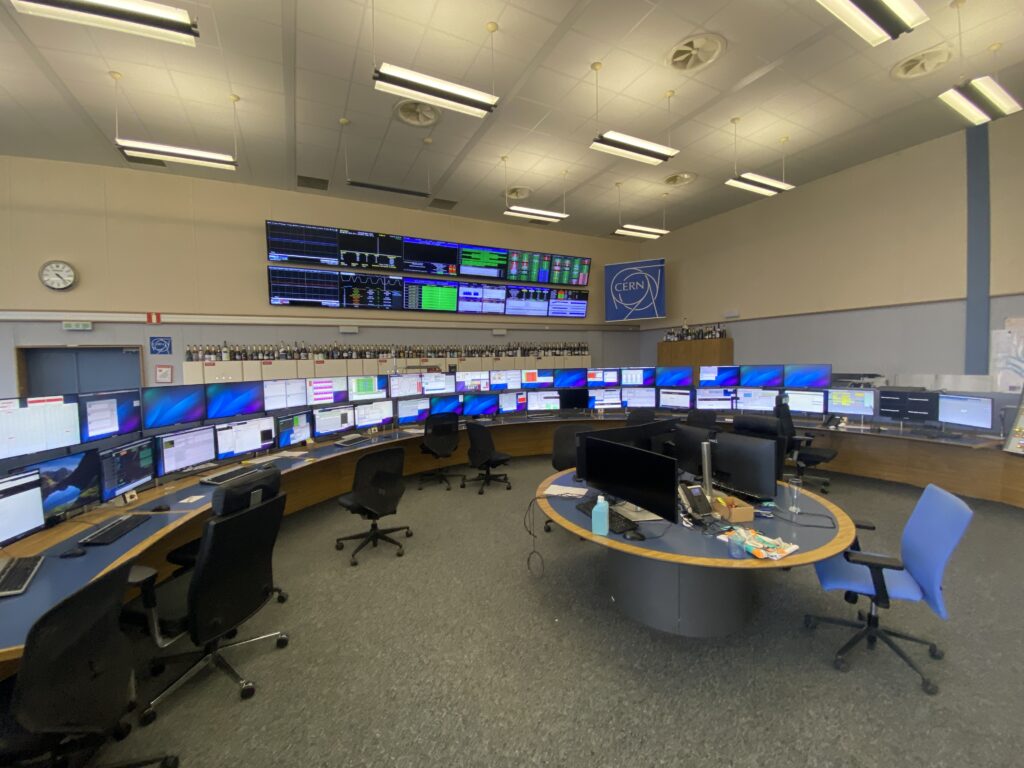
In the afternoon two more visits. At CERN Control Centre, Carlo Emilio Montanari and Federico Capoani – PhD students at the University of Bologna – and Maria Aquilina – bachelor’s student at the University of Malta – showed the students where the control rooms and teams of each accelerator sits, so that they can communicate quickly and effectively.
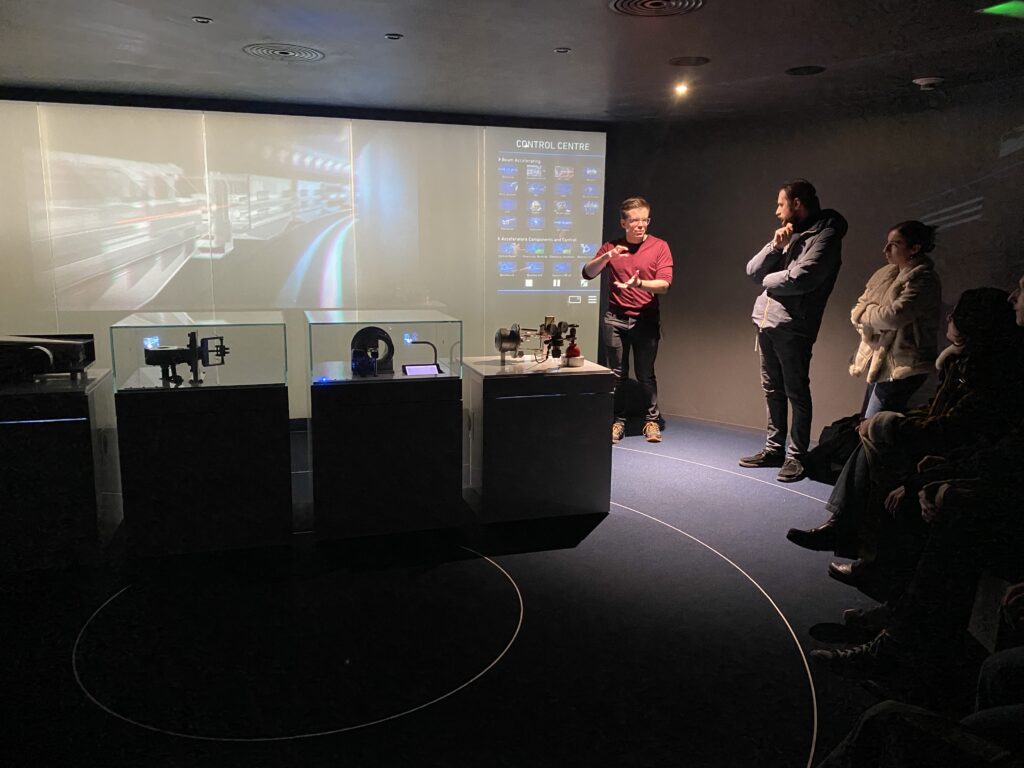
At Alpha Magnetic Spectrometer (AMS-02) Alberto Oliva – INFN researcher – explained to the students how the particle-physics detector looks for dark matter, antimatter and missing matter from a module attached to the outside of the International Space Station.
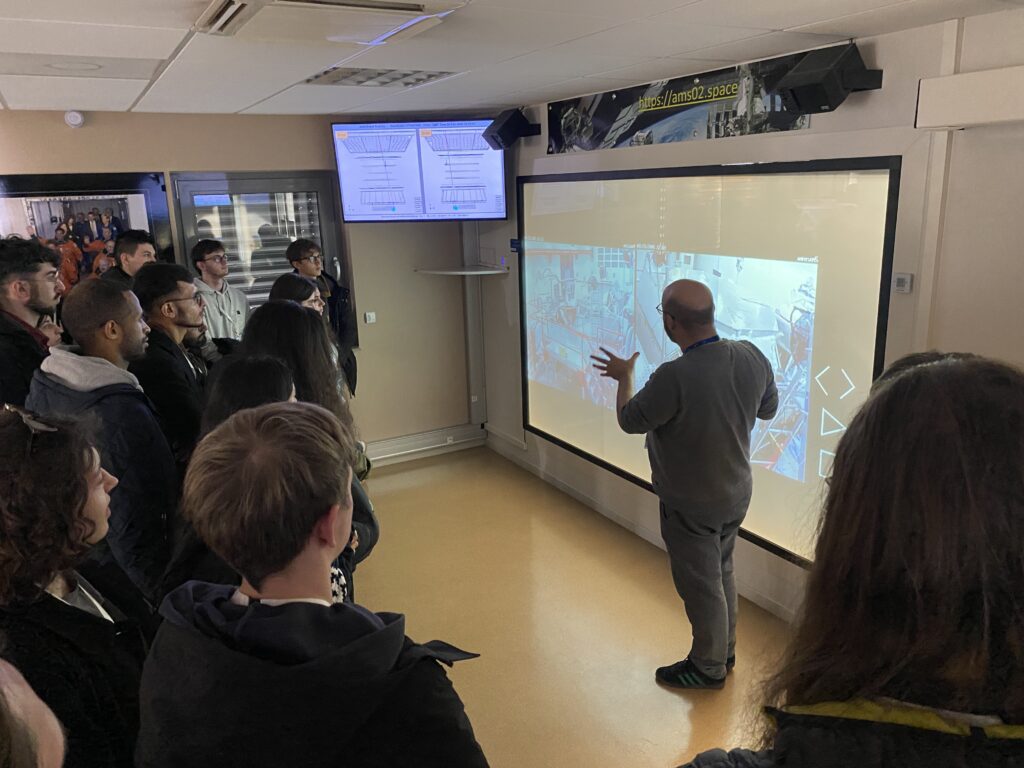
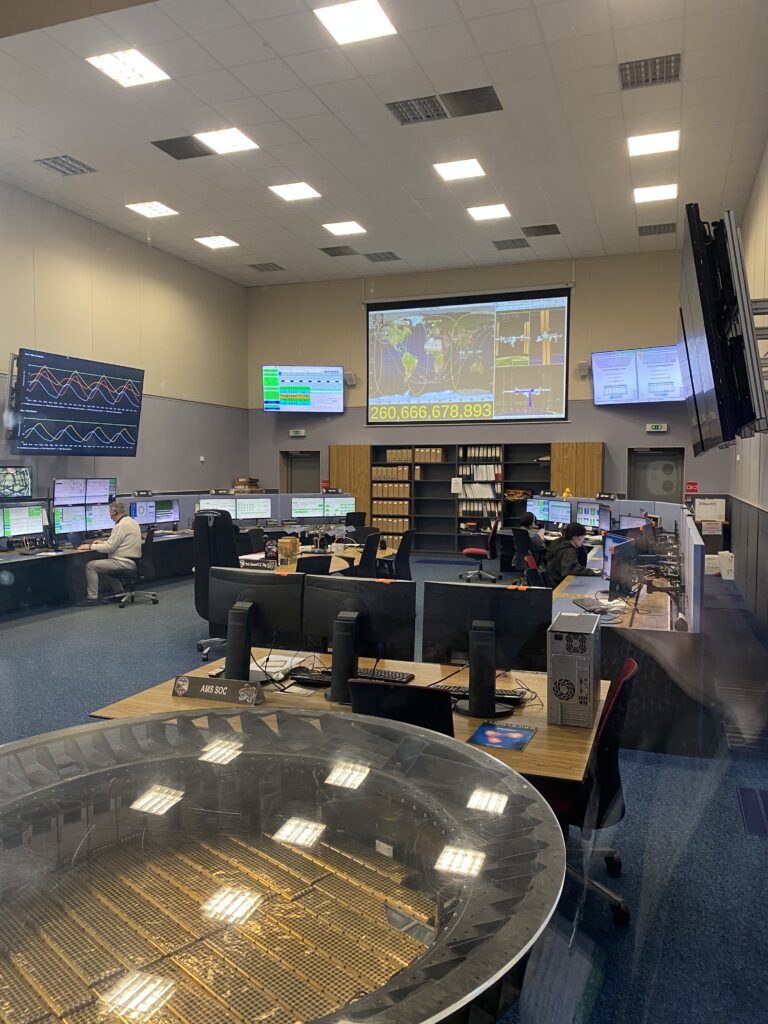
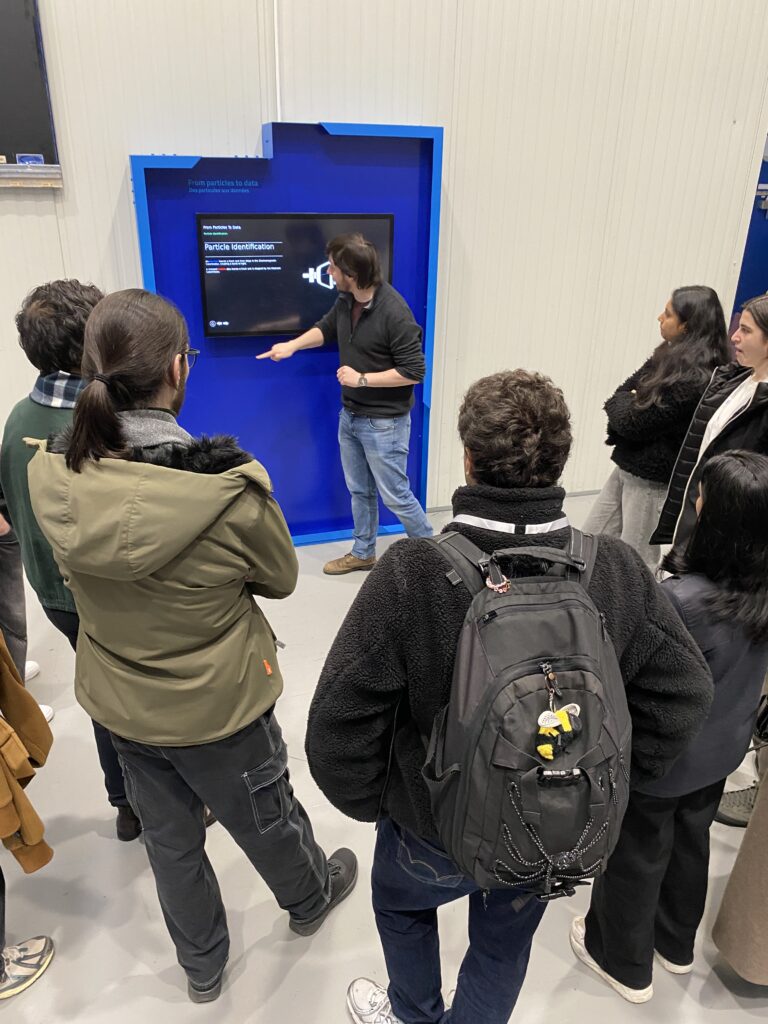
At ALICE (A Large Ion Collider Experiment) – a detector dedicated to heavy-ion physics at the Large Hadron Collider (LHC) – Sofia Strazzi – post-doc researcher at the University of Bologna – and Manuel Colocci – Associate Professor at the Department of Physics and Astronomy in Bologna – bring visitors to the surface installations at Point 2, with the permanent exhibition and the Control Centre.
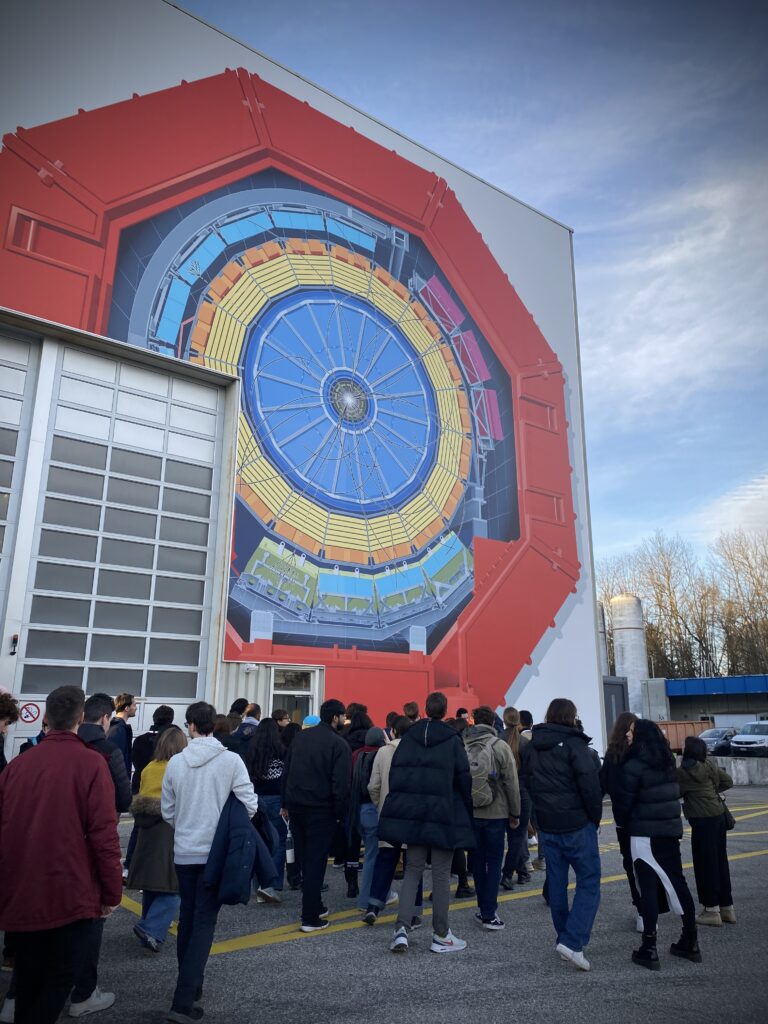
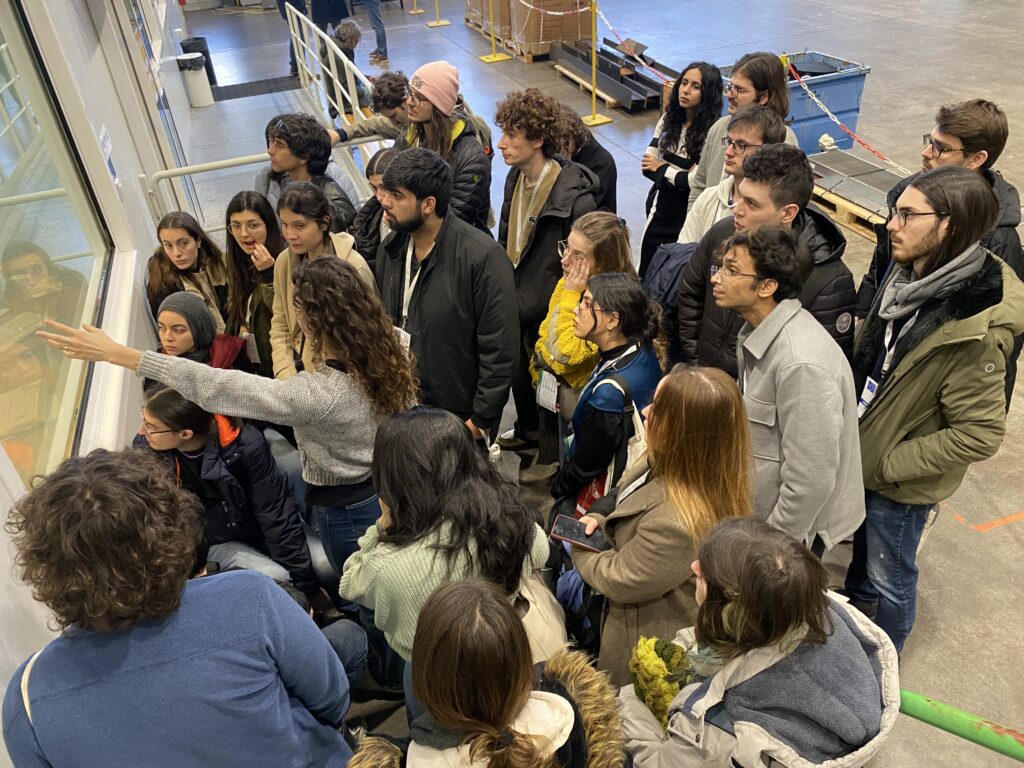
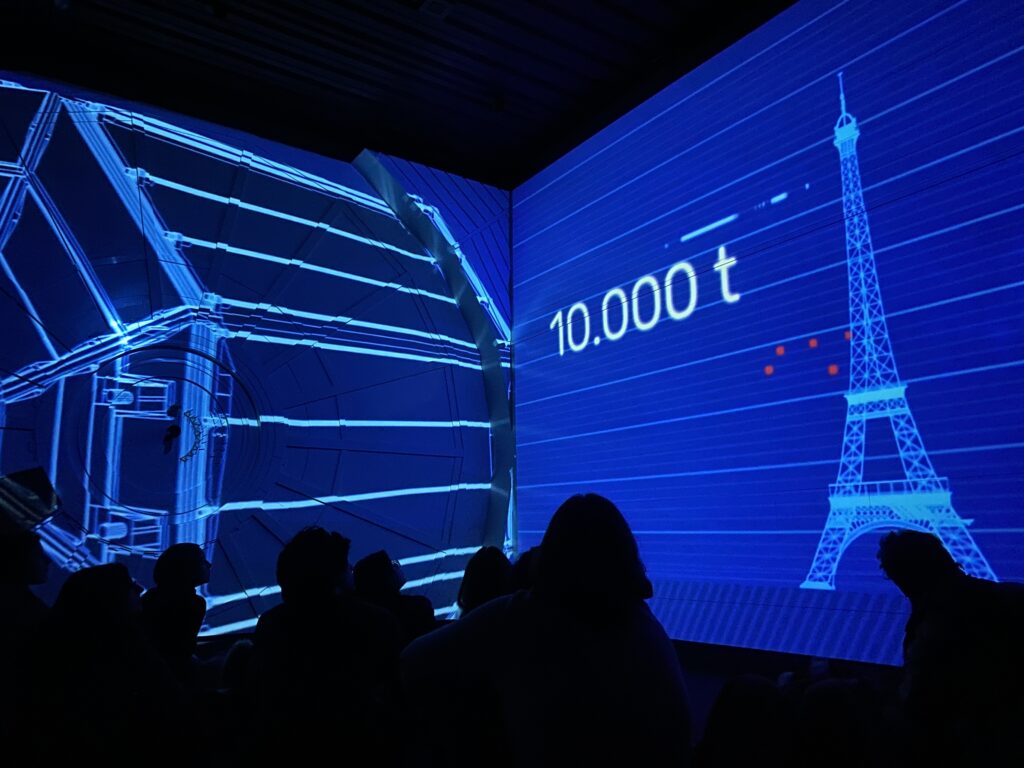
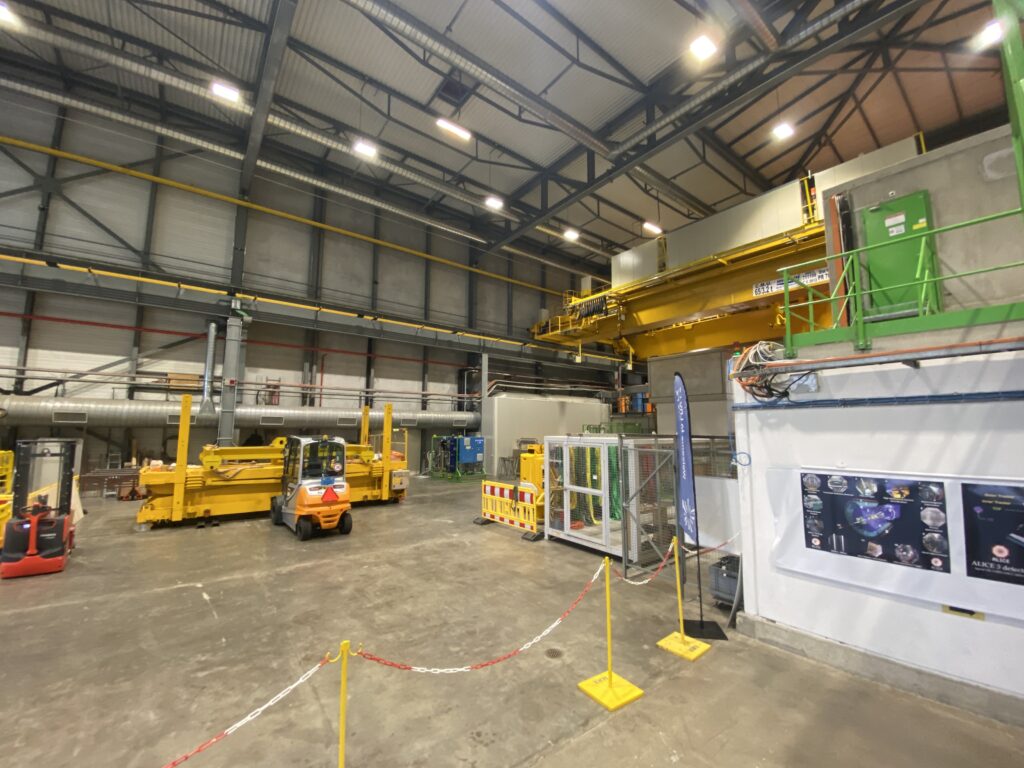
Finally, visit to LHCb Experiment with Andrea Villa, Chiara Lucarelli, Gabriele Martelli and Francesco Zenesini – PhD students at the University of Bologna. They guided the students to discover the permanent exhibition dedicated to the experiment and the control room, with the possibility also to visit DELPHI (DEtector with Lepton, Photon and Hadron Identification) underground, that was one of four large detectors on the Large Electron-Positron collider (LEP) in operation from 1989 to 2000.